
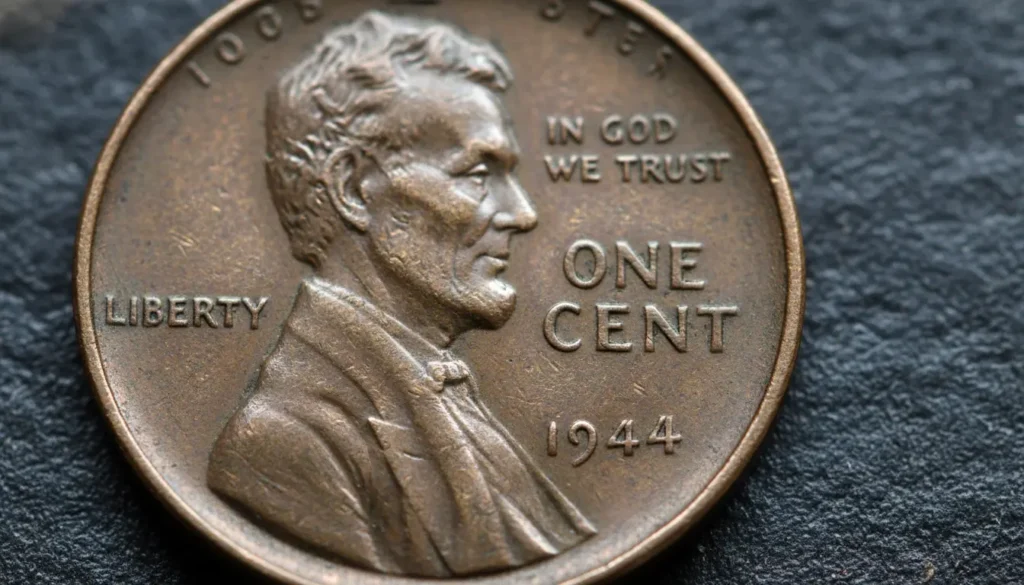
Understanding the Lincoln Wheat Penny
The Lincoln Wheat penny was produced from 1909 to 1958 and remains a common find in pocket change and collections. Many variations and rare errors from this series can be valuable to collectors.
When headlines claim a single wheat penny could be worth nearly $4 million, they usually refer to extreme rarities or high-profile auction results for authenticated error coins. Most wheat pennies are worth face value or a few cents to a few dollars.
What Makes a Lincoln Wheat Penny Valuable?
Value in wheat pennies comes from a combination of age, mint mark, rarity, condition, and errors. A few specific traits push a coin into high-value territory:
- Low mintage numbers or coins from specific mints (for example, certain 1909-S or 1914-D issues).
- Major mint errors like wrong-metal strikes, double dies, or overstrikes.
- Exceptional condition and high grading from reputable services (PCGS, NGC).
- Documented provenance and strong collector demand.
Common high-value wheat penny examples
Collectors watch for these types of wheat pennies as potential high-value pieces:
- 1909-S VDB (designer’s initials visible)
- 1914-D (low mintage)
- 1955 Double Die Obverse (visible doubling of date/letters)
- 1943 bronze or copper strikes (most 1943 cents were steel; copper examples are rare)
Why Rumors Say Nearly $4 Million
Large dollar figures often come from sensational headlines about a specific coin sale or the theoretical value of an extremely rare specimen. In some cases, authenticated 1943 bronze cents and top-grade double die pennies have sold for well into six figures or more at auction.
However, a near-$4 million valuation is exceptional and would typically require:
- Absolute rarity (one of a kind or extremely small confirmed population)
- Perfect or near-perfect grade from a major grading firm
- Clear provenance and strong auction interest
How to Check a Wheat Penny You Find
If you think your penny might be the rare kind, follow a practical verification process. Start with non-destructive checks before seeking professional grading.
- Examine the date and mint mark with a magnifier. Note any doubling or unusual marks.
- Weigh the coin. A typical copper wheat penny (pre-1943 copper) weighs about 3.11 grams; 1943 steel cents are lighter and magnetic.
- Do a magnet test. Steel 1943 cents are magnetic, while bronze/copper ones are not.
- Note color. A copper-toned 1943 coin can be a red flag worth investigating further.
When to get professional help
If your checks suggest rarity, stop cleaning or handling the coin heavily. Contact a reputable coin dealer or submit clear photographs to online numismatic communities for preliminary feedback. Authentication and grading require tamper-free handling.
Lincoln Wheat pennies were produced from 1909 to 1958. The reverse design shows two wheat stalks, giving the coin its nickname. The 1943 cents were produced in steel due to wartime copper needs; genuine 1943 bronze cents are extremely rare.
Authentication and Grading Steps
To realize any high value, a coin must be authenticated and professionally graded. Use established services like PCGS or NGC, which provide third-party grading and encapsulation.
- Document the coin: take detailed, well-lit photos and record where and how it was found.
- Consult reputable local dealers or numismatic organizations for an initial opinion.
- Submit the coin to a recognized grading service for authentication and grading.
- Once graded, consider auction houses or specialty coin dealers for sale if you decide to sell.
How Much Could a Rare Wheat Penny Actually Sell For?
Values range widely. Many collectible wheat pennies sell for a few dollars to several thousand dollars depending on rarity and condition. Truly exceptional cases—authenticated unique errors or top-graded rarities—can sell for six or seven figures.
High headline numbers like nearly $4 million are possible but rare. Such prices typically reflect auction competition, historical significance, and perfect documentation.
Real-World Case Study
Case study: A collector found an unusual 1943 cent in change that looked copper rather than steel. The collector did not clean the coin and took photographs, then visited a reputable dealer. The dealer performed a weight and magnet test, and submitted the coin to a grading service for authentication.
The coin was authenticated as a rare 1943 bronze strike and graded by the service. After verification and provenance checks, the piece attracted significant auction attention and sold for a seven-figure sum to a private collector. The seller had followed the key steps: no cleaning, professional authentication, and selling through the right channels.
Practical Tips If You Find a Suspected Rare Penny
- Do not clean the coin. Cleaning can reduce value dramatically.
- Handle by the edges and store in a soft, dry container.
- Get initial feedback from trusted dealers or established online numismatic communities.
- If promising, submit the coin to PCGS or NGC for professional grading.
- Consider multiple sale options: direct sale, auction, or consignment via a trusted dealer.
Conclusion
While stories about a Lincoln Wheat penny being worth nearly $4 million capture attention, real value depends on rarity, condition, authentication, and market demand. Most wheat pennies are common, yet a genuinely rare, authenticated error can be extremely valuable.
If you find a wheat penny that looks unusual, document it carefully and follow the authentication steps outlined here. Proper handling and verification are the best ways to confirm whether you truly hold a numismatic treasure.