
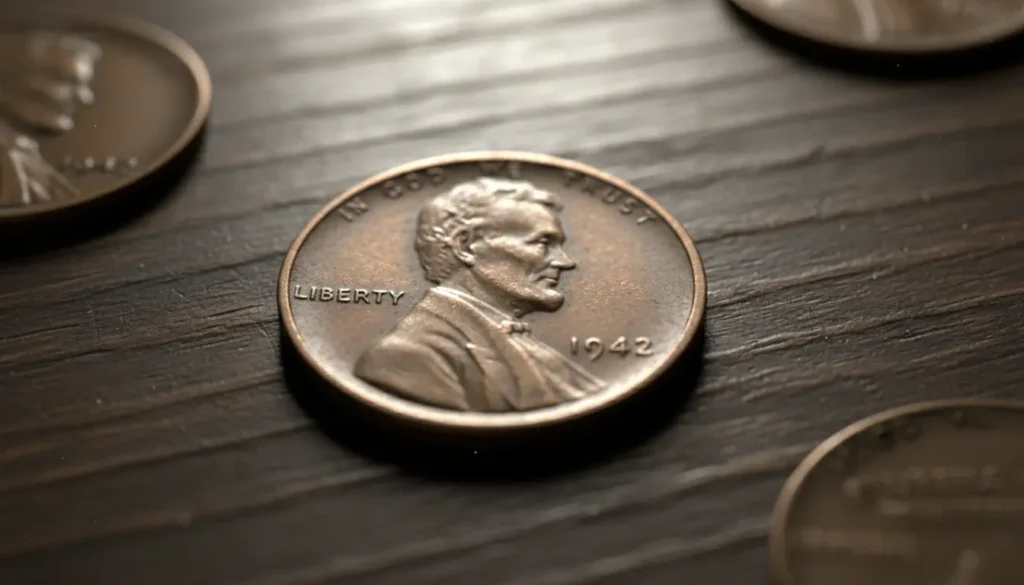
If you keep a Lincoln Wheat penny in your pocket, you might wonder whether it could be the next million-dollar discovery. The short answer is: extremely unlikely, but not impossible. This guide explains which Wheat pennies have real value, how experts authenticate them, and what to do if you think you found a rare coin.
Could a Lincoln Wheat Penny Be Worth $4.4 Million?
No widely documented sale of a Lincoln Wheat penny has reached $4.4 million. The highest authenticated sales for Lincoln cents—especially famous error coins like a 1943 bronze cent—have been in the low millions, far below $4.4 million. That said, extraordinary provenance, a one-of-a-kind error, and peak market conditions could push prices higher, though such outcomes are rare.
Why $4.4 Million Is Unlikely for Most Lincoln Wheat Pennies
Value depends on a few strict factors: date and mint mark, rarity, condition (grade), type of error, and provenance. Most Wheat pennies are common and worth between face value and a few dollars even in good condition. Only a handful of specific dates and dramatic mint errors ever approach seven-figure sums.
Which Lincoln Wheat Pennies Are Most Valuable?
Collectors watch a short list of dates and errors that drive real value. These include the following key items.
- 1909-S VDB: A top collector piece in high grade.
- 1909-S (non VDB): Scarce and collectable.
- 1914-D: Sought after in high grades.
- 1922 Plain No D: A known rarity in some grades.
- 1931-S: Scarce in mint state.
- 1955 Doubled Die Obverse: Iconic doubled die with strong premiums.
- 1943 Copper (bronze) cent: A production error that has sold for over a million in exceptional cases.
Examples of Error and Key Dates
Errors that place a penny into the rare category include wrong metal planchets, major die doubling, and missing mint marks due to die polishing mistakes. Even among errors, authenticated examples with strong documentation command the highest prices.
How to Tell if a Lincoln Wheat Penny Is Rare
Follow these steps to evaluate a potential rarity. Start with a calm visual check and then move to expert steps if the coin looks unusual.
- Check the date and mint mark under good light and a magnifier.
- Look for obvious errors like doubled features, wrong color metal, or missing design elements.
- Do not clean or polish the coin; cleaning reduces value.
- Compare to reference photos from reputable numismatic sources.
- Consider having the coin authenticated by a third-party grading service such as PCGS or NGC.
Grading and Authentication
Grade is often the single biggest multiplier for value. A rare date in high mint state will be worth exponentially more than the same date worn. Grading by a respected third-party service provides buyer confidence and often unlocks top auction prices.
What to Do If You Find a Potentially Valuable Lincoln Wheat Penny
If your penny looks unusual, keep it safe and document the find. Handling, cleaning, or attempting DIY fixes can permanently damage the coin and destroy value. Follow a simple process to protect your chance for the best outcome.
- Place the coin in a plastic flip or small envelope without touching the faces more than necessary.
- Take clear photos of both sides, including close-ups of the date and any errors.
- Compare to trusted online references and auction archives.
- Contact a local coin dealer or auction house with numismatic credentials for a preliminary opinion.
- If the coin appears to be rare, submit it to a third-party grading service for authentication and grading.
Costs and Timeframe
Authentication and grading cost money and can take weeks to months depending on the service level. For very valuable coins, grading fees are a small investment compared to the increase in market value and sale security.
Real-World Example: 1943 Copper Wheat Penny Case Study
One of the most famous examples is the 1943 copper cent struck on a bronze planchet. These were accidental 1943 cents made from pre-1943 metal. Certified examples have sold in auctions for over a million dollars when properly authenticated and accompanied by clear provenance. That sale history explains why collectors inspect any heavy brown or bronze 1943 cent closely.
Key takeaways from such cases are: authentication matters, provenance boosts price, and even dramatic errors rarely reach multi-million prices unless every element aligns perfectly.
Final Practical Tips for Pocket Finds
Most Wheat pennies in circulation are common and not worth more than a few dollars. Still, always inspect coins for unique metal color, doubled designs, and rare dates. If a penny looks special, document it, avoid cleaning, and seek professional authentication.
Even though a Lincoln Wheat penny reaching $4.4 million is highly unlikely, a single exceptional coin can still be worth thousands or, in rare authenticated cases, over a million. Careful handling and expert verification are the best ways to find out.