
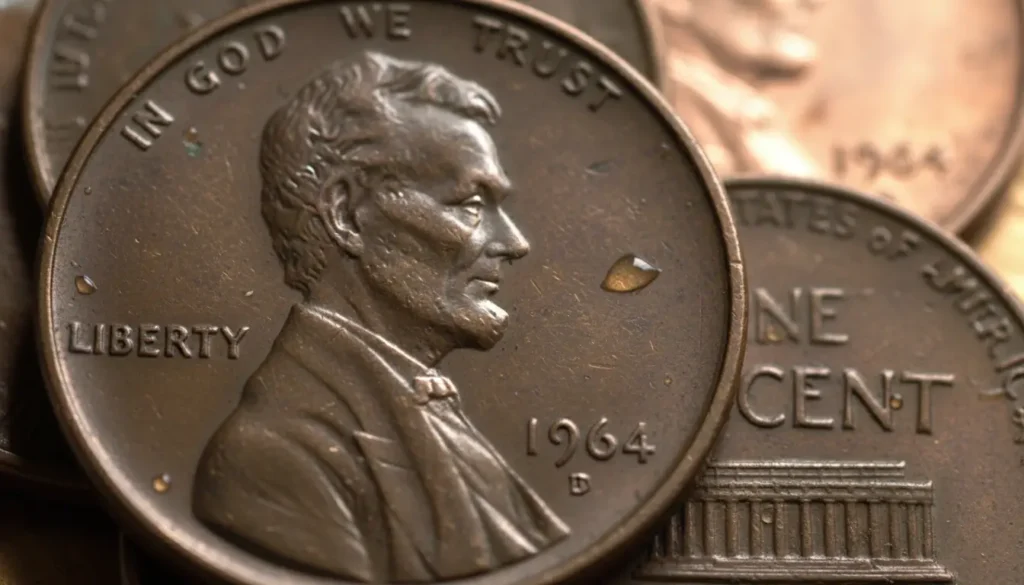
Lincoln cents are a staple of U.S. coin collecting. Knowing which years are valuable helps you spot high‑worth coins in collections, rolls, or change. This guide covers key years, common errors, identification tips, and what to do if you find a rare piece.
How to Identify Valuable Lincoln Pennies by Year
Start with date and mint mark. The mint mark (D, S, or no mark) and the year often determine rarity. Low mintage years and recognized varieties command premiums.
Look for classic error types: doubled die obverse, repunched mint marks, off‑center strikes, and wrong‑metal strikes. Condition matters: coins in higher grades are worth far more.
Tools and quick checks
- Use a 10x loupe to inspect devices and doubling on letters and numbers.
- Compare with images from reputable catalogs (PCGS, NGC).
- Weigh suspect coins: some errors (like 1943 bronze) differ from standard weight.
Top Valuable Lincoln Pennies by Year to Watch
Below are the most sought‑after Lincoln pennies by year. Each entry includes what to look for and why collectors pay premiums.
1909 S VDB
The 1909‑S VDB (with designer Victor D. Brenner initials on the reverse) is a key date. Low mintage and high demand make it valuable in even modest condition.
1914 D
The 1914‑D Lincoln cent had a relatively small mintage. Coins in EF/MS condition are particularly prized by date collectors.
1922 No D (Plain)
Some 1922 cents were struck without a visible mint mark on the die, producing the famous “Plain 1922.” Genuine 1922 Plain cents are scarce and worth much more than common strikes.
1931 S
The 1931‑S is another low‑mintage coin in the Wheat cent series. High‑grade examples are collectible and often appear in registry sets.
1943 Bronze Error and 1943 Steel
In 1943 most cents were struck on zinc‑coated steel. Genuine 1943 bronze (copper) cents are rare error pieces and command high prices. Conversely, normal 1943 steel cents are common but useful as date holders.
1955 Doubled Die Obverse
One of the most famous U.S. mint errors. The doubling on the date and inscriptions is dramatic and obvious without magnification. Even worn examples can be valuable; sharp, high‑grade examples sell for thousands.
1969 S Doubled Die (Proof)
A special doubled die was produced on some 1969‑S proof coins. Authentic examples are rare and often require third‑party grading and authentication before sale.
Condition, Grading, and Authentication
Coin grade can make or break value. A key date in poor condition may be worth only a fraction of its Mint State counterpart.
For high‑value finds, get third‑party grading from services such as PCGS or NGC. Grading secures buyer confidence and helps realize full market value.
Surface care and storage
- Handle coins by the edges and avoid cleaning—cleaning reduces value.
- Store in inert holders, flips, or slabs to prevent damage.
- Keep a record: photos, purchase details, and any certification numbers.
Selling and Appraising Valuable Lincoln Pennies by Year
Get multiple opinions. Use online price guides for a baseline, but consult experienced dealers or auction results for real market prices.
When selling, provide clear photos, provenance, and any grading certificates. Auction houses and specialist dealers often fetch the best results for rare dates and error coins.
Some valuable Lincoln pennies were found in pocket change. The famous 1955 doubled die was first brought to public attention after collectors noticed its dramatic doubling on the date and lettering.
Quick Checklist: What to Do if You Find a Suspect Penny
- Note the year and mint mark, then photograph the coin (obverse and reverse).
- Compare against trusted error and variety references.
- Weigh and measure if possible; unusual composition may indicate a rare error.
- Do not clean the coin. Seek an expert opinion before selling or submitting for grading.
Case Study: Finding a 1955 Doubled Die
A small‑town collector found a worn 1955 cent in a box of coins and noticed heavy doubling on the date and words. After photographing and comparing with reference images, they submitted it to a third‑party grader.
The coin was authenticated as a genuine 1955 doubled die in circulated condition and sold through an online auction. The sale netted the seller several thousand dollars, illustrating how even circulated error coins can be valuable.
Final Practical Tips for Collectors
Focus on known key dates and common high‑value errors. Build relationships with reputable dealers and learn to use reference guides. Patience and careful handling will protect potential value.
Whether you are building a set or scanning change, these tips help you identify the most valuable Lincoln pennies by year and take the right next steps when you find one.