
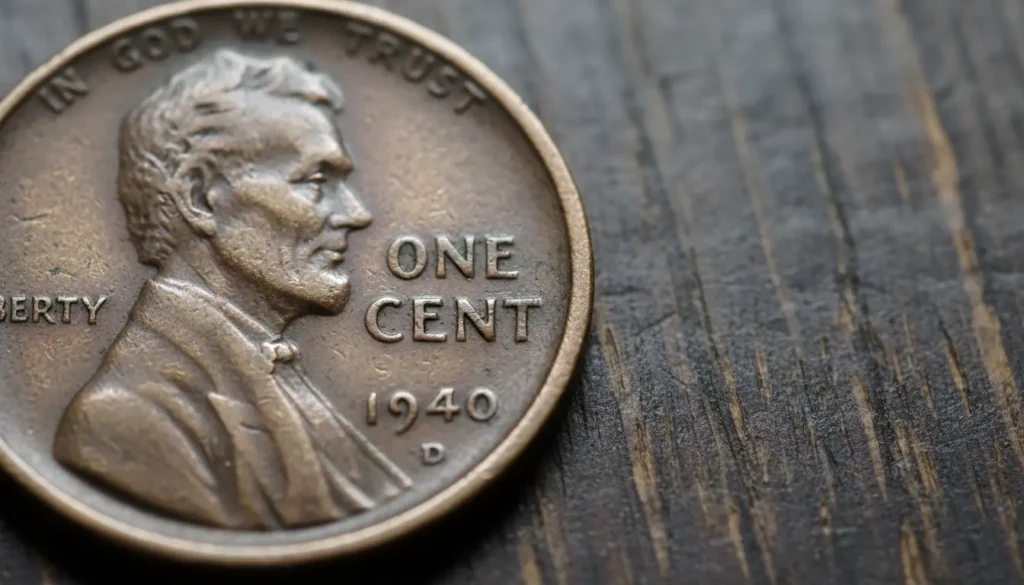
What is the Lincoln Wheat Penny?
The Lincoln Wheat Penny was produced by the U.S. Mint from 1909 to 1958. The reverse shows two wheat stalks, which is why collectors call it a “wheat penny.”
Most Lincoln wheat cents are common and worth a few cents to a few dollars, depending on condition. A handful of dates, mint marks, and errors are genuinely rare and can fetch significant prices.
Where the $2.2 Billion Headline Comes From
Headlines claiming a single Lincoln Wheat Penny is worth $2.2 billion are almost always inaccurate. These stories usually come from misinterpretation or sensationalized summaries of a more complex situation.
Common sources of error include:
- Confusing the total estimated value of many coins with the value of one coin.
- Misreading a collector’s entire portfolio or hoard as the value of a single piece.
- Mistaking theoretical “catalog” values (for perfect, graded specimens of every date) for actual market values.
Realistic contexts for high valuations
Some wheat pennies and related error cents have sold for six- or seven-figure amounts at auction, especially in top grades or when they are true mint errors. These sales are rare and well documented.
But $2.2 billion for a single coin would be orders of magnitude beyond any verified sale records, and would require extraordinary independent verification.
How Coin Values Are Determined
Understanding how coins are valued helps separate headlines from reality. Several key factors set value:
- Rarity — how many were minted and how many survive in given condition.
- Condition and grade — certified grades from services like PCGS or NGC heavily influence price.
- Historical significance — certain error coins or low-mintage issues are more sought after.
- Provenance — coins with documented history or famous collections can command premiums.
Price guides and auction archives provide real-world transaction data. These are better indicators than click-driven headlines.
How to Verify a Claim About a Lincoln Wheat Penny
If you encounter a sensational valuation claim, follow these steps to check it yourself. These are practical and neutral checks any collector can perform.
- Search auction records: Check Heritage, Stack’s Bowers, and other major auction houses for past sales of the same date and grade.
- Check certified databases: Use PCGS Photograde or NGC Census to see how many coins of that issue and grade exist.
- Consult price guides: Reference guides like the Red Book give retail values; online price guides show recent auction results.
- Get a qualified appraisal: Ask a reputable dealer or accredited appraiser for an in-person evaluation.
- Consider grading: If the coin is potentially valuable, a professional grading service can authenticate and grade it.
Questions to ask a credible appraiser
- What is the exact date and mint mark?
- Is this an error or altered coin?
- What comparable sales support your estimate?
- Will you provide a written appraisal or grading recommendation?
The Lincoln Wheat Penny was the first U.S. coin to feature a real person’s portrait on the obverse rather than a symbolic figure. It was introduced in 1909 to honor Abraham Lincoln.
Case Study: A Viral Claim and the Real Outcome
A local news outlet once reported that a family found a wheat penny in change and claimed it was worth an extraordinary sum after a social post went viral. The post multiplied a high-grade textbook value by a large number of coins and presented a single-coin figure.
The family took the coin to a regional dealer for inspection. The dealer identified the coin as a common date in circulated condition and estimated its retail value at a few dollars. The viral number was a math error, not a market price.
The family learned to check auction records and to consult grading services before accepting sensational valuations. That pragmatic approach avoided wasted time and disappointment.
Practical Tips If You Think You Found a Valuable Penny
Follow these quick steps to responsibly evaluate and protect a potentially valuable coin.
- Do not clean the coin — cleaning often reduces value permanently.
- Handle only by the edges and place it in a soft holder or flip.
- Take clear photographs showing date, mint mark, and both sides.
- Research similar auction sales online before accepting any dramatic claims.
- Get a second opinion from an independent, reputable dealer or appraiser.
Summary: Separating Headlines from Reality
Viral headlines that a Lincoln Wheat Penny in circulation is worth $2.2 billion are virtually always misleading. Real coin values are based on documented rarity, verified grading, and actual auction results.
If you find a coin that seems rare, use proven verification steps: preserve the coin, research records, and consult professionals. That practical approach will give you reliable answers without hype.
Further resources: PCGS, NGC, Heritage Auctions, Stack’s Bowers, and the Red Book are useful starting points for verification and market data.