
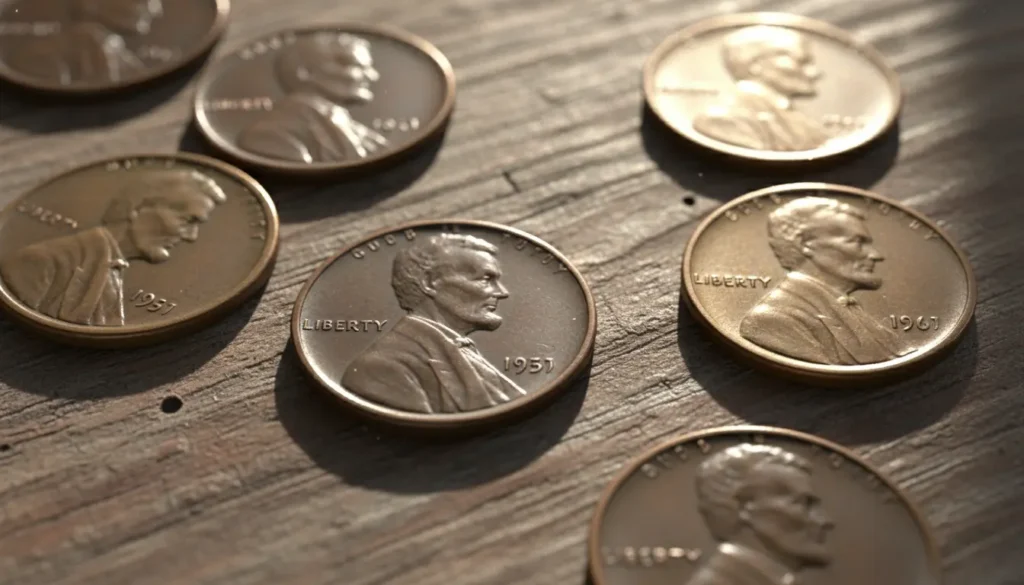
Understanding Lincoln Wheat Pennies by Year in 2025
Lincoln Wheat pennies were struck from 1909 to 1958 and remain one of the most popular series for beginning and experienced collectors. Year and mint mark determine rarity, but condition and errors often raise value more than age alone.
This guide explains which years to watch in 2025, how to identify rare pieces, and practical steps to grade, protect, and sell coins responsibly.
Why the Year Matters for Lincoln Wheat Pennies
The production year affects mintage totals, mint locations, and the survival rate of high-grade examples. Some years had low mintage or production problems that created today’s key dates.
In 2025, market interest also depends on certification trends, auction results, and collector demand. A common date in mint state can be worth far more than a scarce date in poor condition.
Key factors linked to year-based value
- Mint mark (no mark, D, S)
- Mintage numbers and reported survivors
- Known errors for that year
- Historical circulation and use
Top Lincoln Wheat Penny Years to Watch in 2025
Below are widely recognized year categories that attract attention from collectors and buyers in 2025. These entries emphasize year-related reasons they are sought after.
Key Dates and Why They Matter
- 1909-S VDB — Early Lincoln issue with designer initials; limited supply makes it a key date.
- 1914-D — Often cited as a major key due to low original mintage and few high-grade survivors.
- 1922 Plain (no D) — A famous error/variety where the Denver mint mark is absent; attracts specialists.
- 1931-S — Low mintage and scarcer in quality grades.
- 1943 Copper (error) — Most 1943 cents are steel; genuine copper examples are rare and highly inspected.
- 1955 Doubled Die — A dramatic doubled die obverse that is a classic modern rarity for the series.
How to Identify Valuable Lincoln Wheat Pennies by Year
Identification starts with a clear inspection of date, mint mark, and design details. Use a 5–10x loupe and good light to check for doubling, repunched mint marks, or planchet issues.
Grading is subjective. For accurate valuation, consider third-party grading for any coin you suspect is a key date or an error.
Quick identification checklist
- Read the date clearly; note any wear that hides digits.
- Check beneath the wreath and near the rim for doubling or repunched marks.
- Confirm metal type for 1943 coins (steel vs. copper).
- Look for lamination flaws, clipped planchets, or off-center strikes.
Protecting and Grading Your Lincoln Wheat Pennies
Proper handling and storage preserve value. Always hold coins by the edge, use soft gloves if needed, and avoid cleaning coins yourself.
For any coin that might be worth hundreds or more, get professional authentication and grading from PCGS, NGC, or ANACS. Certified coins regularly fetch higher prices at auction.
Storage and care tips
- Use inert holders or capsule flips; avoid PVC-containing plastics.
- Store in a dry, stable-temperature environment.
- Record provenance and keep receipts when buying or selling.
Selling Lincoln Wheat Pennies by Year: Options and Strategy
Decide whether to sell locally, to a dealer, or at auction. Each choice affects net return and fees. Auctions and specialist dealers usually yield the best prices for high-grade or rare-year pieces.
For common dates in circulated grades, local sales or coin shows can be efficient. For potential key dates, seek multiple opinions and consider grading before selling.
Steps to sell smart
- Research recent auction results for the specific year and grade.
- Obtain authentication or grading for any suspect coins.
- Get multiple offers from reputable dealers if selling privately.
- Consider auction houses for very rare or high-grade examples.
Some Lincoln Wheat pennies minted in 1943 were mistakenly struck on bronze planchets instead of steel. These errors are extremely rare and attract intense authentication and market interest.
Small Real-World Case Study
A casual collector sorting inherited change found a worn Lincoln Wheat cent dated 1943 and suspected it might not be steel. He brought it to a local coin shop and was referred to a third-party grader. The coin was authenticated as a copper 1943 error and later sold through a specialist auction. The seller learned the value of authentication and using a targeted sales channel.
This example shows that careful inspection and proper authentication can turn an ordinary find into a noteworthy sale.
Practical Checklist for Collectors in 2025
- Learn the key dates and common error types by year.
- Use a loupe and good lighting to inspect every coin closely.
- Keep suspect coins safe and avoid cleaning them.
- Seek third-party grading when a coin might be valuable.
- Compare offers and sell through specialized channels for key dates.
Focus on careful identification, preservation, and using the right market channels. Understanding Lincoln Wheat pennies by year in 2025 helps you spot rare finds and make informed selling or collecting decisions.